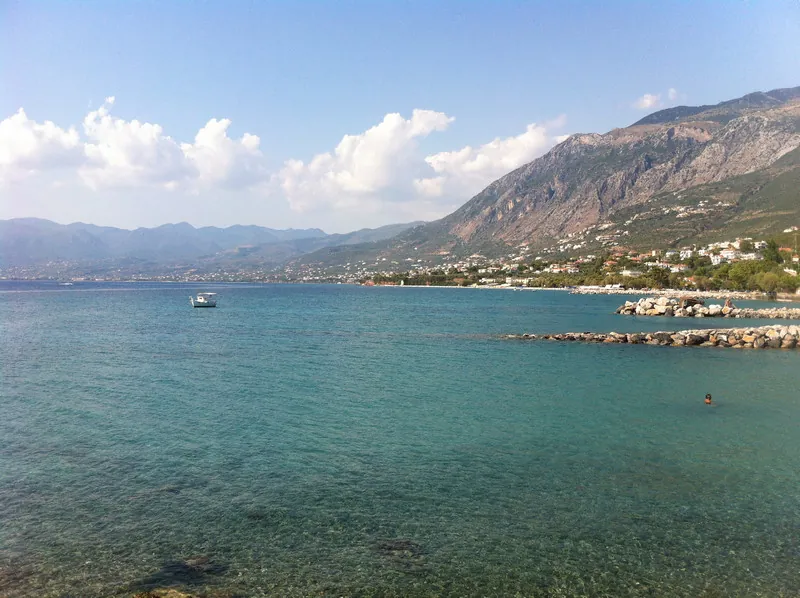
The Municipality of Kalamata, together with its Communities, lies in Eastern Messinia, on the western – north-western foothills of Mount Taygetus, the highest mountain massif of the Peloponnese.
In general, Messinia has a characteristically mild, temperate climate (except, of course, for the mountain areas, where it is harsher), as the annual temperature range is approximately 13 – 19 °C. Messinia also enjoys a great deal of sunshine, among the highest in Greece. Rainfall is fairly abundant and occurs in winter. Summers are hot and dry. Rainfall ranges from 600 millimetres in the south of the Prefecture (Foinikounta-Methoni) to 1,500 millimetres in the most mountainous areas, and 800-1,200 millimetres in the central and northern lowland and semi-mountainous areas. All this makes the Messinian plain ideal for growing early and late produce, especially vegetables, but also citrus fruits and the well-known olive, mainly the Kalamon and Koroneiki varieties.
The climate of the wider area of the Municipality of Kalamata is shaped both by the influence of the sea and by that of Mount Taygetus. There is a widespread misconception that Kalamata is very humid. It is humid, but during the critical evening hours the land breeze prevails: a north-easterly wind that descends through the valley of the river Nedon, which rises on Mount Taygetus; this moderates the humidity and makes the climate healthier. The cold season lasts from November to April and the warm season from May to October.
The weather in the wider area of the Municipality of Kalamata by season, based on processed data from a station in the area of the airport, 6 km west of the city, is described as follows:
Autumn (September – November)
From September, the drop in summer temperatures and the shortening of the day begin to be felt. Autumn and Spring are the best seasons to visit the Prefecture of Messinia in general, avoiding both the scorching summer sun and the winter cold.
The average monthly temperature for the city of Kalamata is 23.2 °C in September, 18.9 °C in October and 14.8 °C in November.
The average monthly humidity is 65.2% in September, 69.3% in October and 74.8% in November.
Rainfall increases gradually, starting at 29.1 mm in September, 85.3 mm in October and reaching 137.4 mm in November.
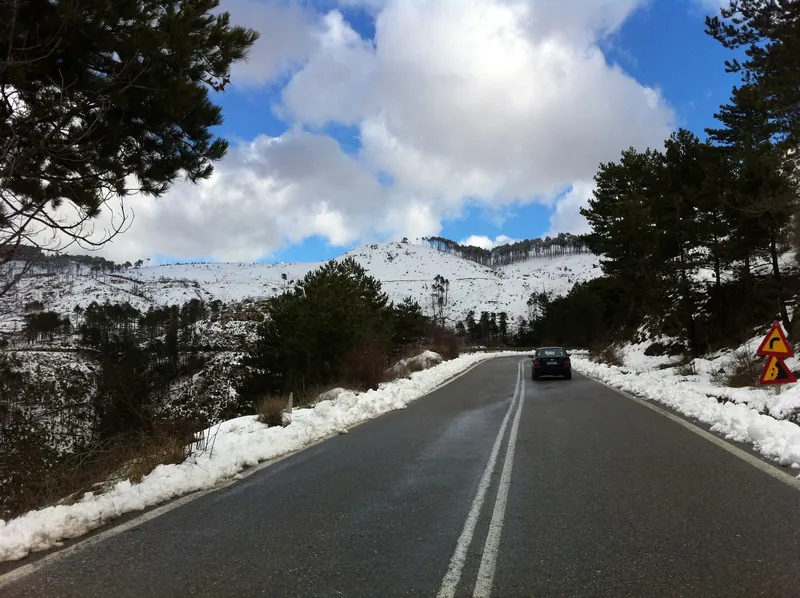
Towards the end of October the first snow appears on the peaks of Mount Taygetus, often remaining until as late as June. The earliest snowfall recorded in Kalamata was on 18 November 1913
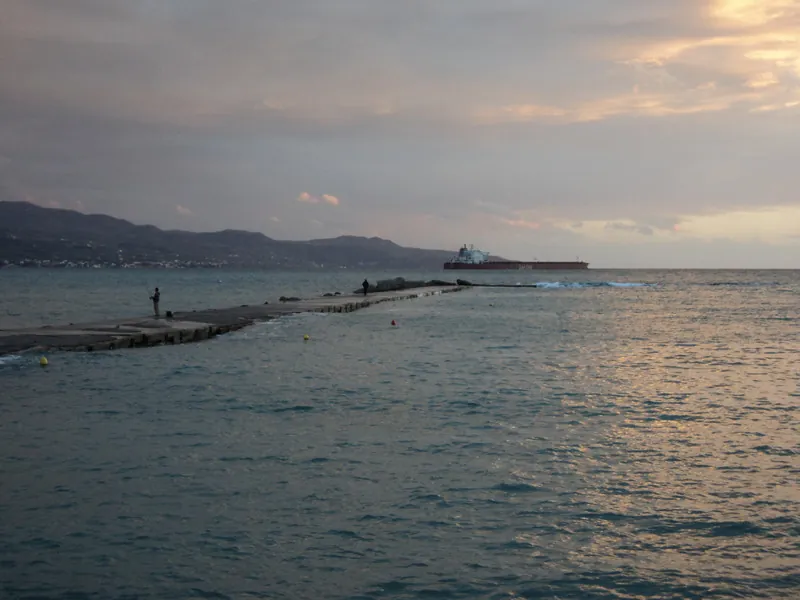
Winter (December – February)
During this period the days are noticeably short, while cold and snow prevail mainly in the mountain municipal districts on the slopes of western Taygetus. In the city of Kalamata snow is relatively rare, occurring roughly once every 10 years, but this is the wettest period of the year and rainfall reaches its peak.
In more detail:
The average monthly temperature for the city of Kalamata is 11.7 °C in December, 10.2 °C in January and 10.6 °C in February.
The average monthly humidity is 75% in December, 72.6% in January and 71.7% in February.
Recorded rainfall is 152.6 mm in December, 111.7 mm in January and 94.1 mm in February.
Spring (March – May)
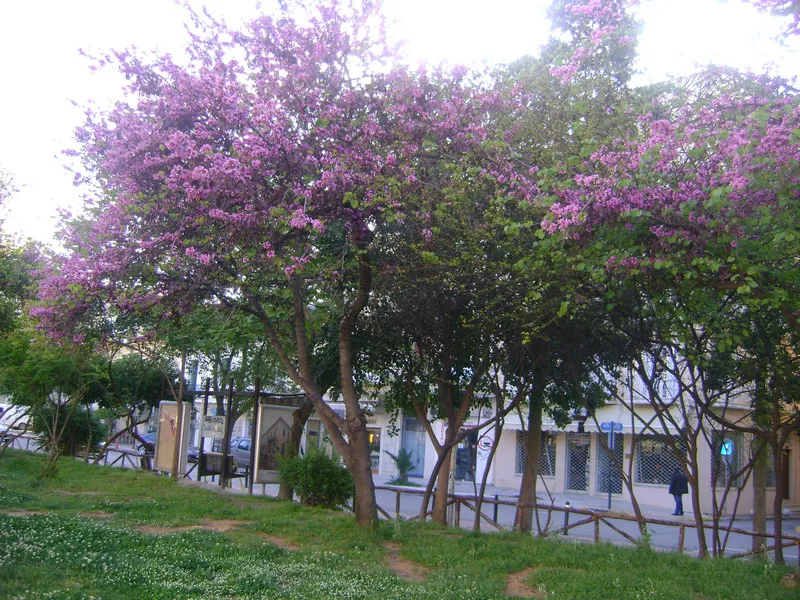
Spring in the wider area of the Municipality of Kalamata is truly wonderful. The days have grown considerably longer, rainfall gradually decreases, and the melting snow of Mount Taygetus feeds the springs, located mainly in the Alagonia area (north-east of Kalamata), with abundant, clear running water for the whole summer. March, of course, meteorologically belongs to winter and may bring snow and cold, even at low altitudes and even near the city, but the effect of the days, which have meanwhile grown considerably longer, somewhat moderates the situation as soon as the weather first improves.
In more detail:
The average monthly temperature for the city of Kalamata is 12.3 °C in March, 15.2 °C in April and 19.6 °C in May.
The average monthly humidity is 71.2% in March, 70.4% in April and 66.3% in May.
Recorded rainfall is 73 mm in March, 48.5 mm in April and 25.6 mm in May.
Thunderstorms are particularly frequent in May in the mountain area of Alagonia.
Summer (June – August)
Summer in the city of Kalamata is relatively cool, owing to the influence of the sea, while the mountain districts have their share of local thunderstorms and dry, cool air, making the area ideal for camping and summer holidays.
In more detail:
The average monthly temperature for the city of Kalamata is 24.1 °C in June, 26.4 °C in July and 26.3 °C in August.
The average monthly humidity for the city of Kalamata is 58.6% in June, 58.0% in July and 61.1% in August.
Rainfall is particularly low in the lowland areas, reaching 7.5 mm in June, 4.2 mm in July and 11.3 mm in August. In the mountain areas and the areas close to them, however, higher rainfall is recorded.