About the entity
Establishment, legal framework and purpose.
The history of the Cultural Centre of Kalamata begins in the early 20th century when, in 1910, Regina Pantazopoulou bought a plot of land on Aristomenous Street, where she built a building to house the public-benefit foundation she envisioned. A year later she brought her vision to life by establishing the legal entity “Popular School and School for Poor Children of Nikolaos and Regina Pantazopoulos” (Government Gazette (FEK) 252/08-09-1911). The purpose of the legal entity was the education and intellectual cultivation of the working and popular classes and of poor children. The means of achieving its aims would be: teaching courses, organising lectures, circulating books and, finally, founding a Popular Library.
On 15 January 1912 the “Pantazopouleios” Popular School opened its doors with its first lecture for the people of Kalamata, followed by a great number of courses, concerts, lectures, theatre performances, exhibitions, conferences and other events. The legal entity that Regina Pantazopoulou had set up was bequeathed to the Metropolis of Messinia as inalienable property, with provision for it to be governed by a seven-member Board of Directors, chaired by the serving Metropolitan of Messinia and with the participation of intellectuals of Kalamata.
In 1933 the Popular Library of Kalamata was founded, as provided for in the statutes of the Popular School, based on donations of books from the Kalamata Secondary School and from Metropolitan Meletios. The newly founded Library was housed in part of the Popular School and began operating in 1935.
The Popular School ceased operating during the Second World War, when its halls were used either as a court or as a hospital. After the war it resumed operation, but the lack of resources put both the foundation and the building in a difficult position. And so in 1966 there was talk for the first time of a “Cultural Centre in Kalamata” and of creating a “House of Letters and Arts”. Shortly afterwards, in 1968, Metropolitan Chrysostomos Themelis took the initiative to grant the real estate of the “Pantazopouleios” Popular School to the Municipality of Kalamata, on condition that the city’s Cultural Centre would be created.
With the publication of Emergency Law (AN) 372/1968, the first period of the Popular School ended and its second period began as the “Municipal Cultural Centre of Kalamata – Pantazopouleios Popular School”. Article 2 of that law sets out how the seven-member board of directors is composed, as follows: the serving Metropolitan of Messinia (as president), the serving Mayor of Kalamata (as vice-president), the serving presidents of the Kalamata Bar Association, the Kalamata Medical Association, the Kalamata Popular Library and the Society for the Promotion of Letters, and a distinguished citizen appointed by the Municipal Council of Kalamata. The new body was soon established by the decree “On the establishment of a Municipal legal entity under the name Pantazopouleios Popular School” (FEK 290/ 09-12-1968). Under this decree, the “Pantazopouleios” Popular School granted its plot of land to the Municipality of Kalamata while retaining its status as a bequest, with the Municipality taking on responsibility for constructing the new building.
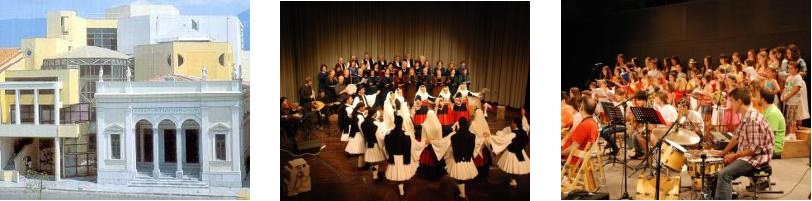
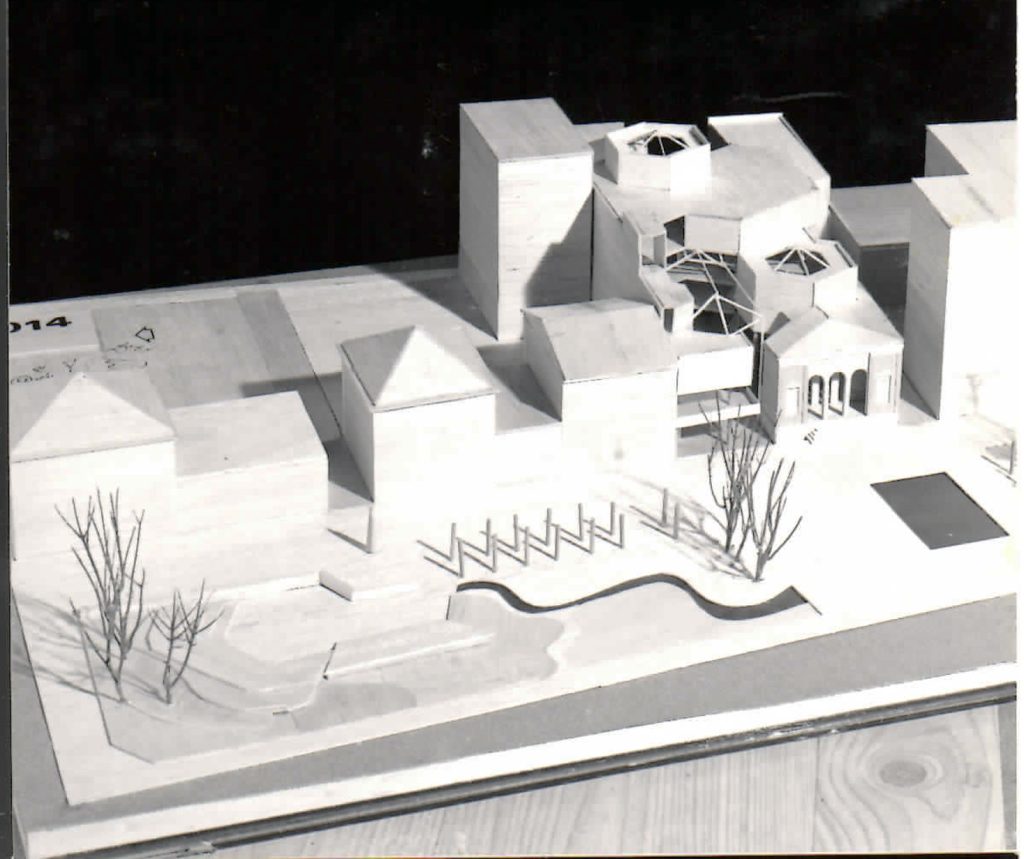
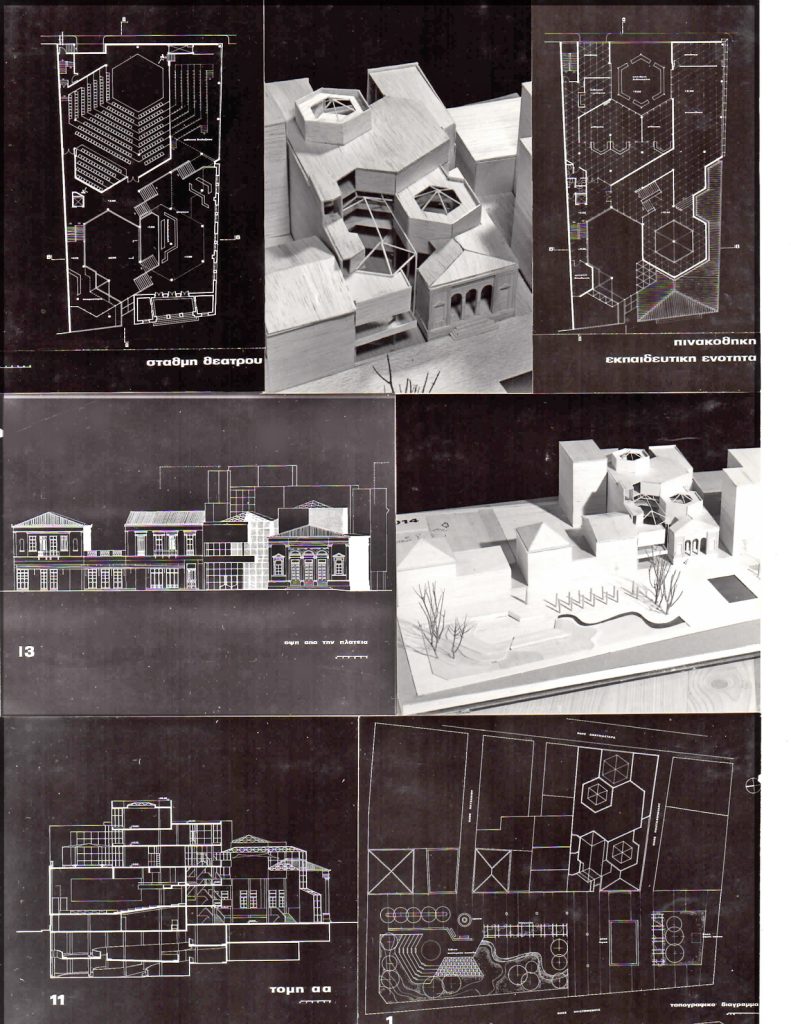
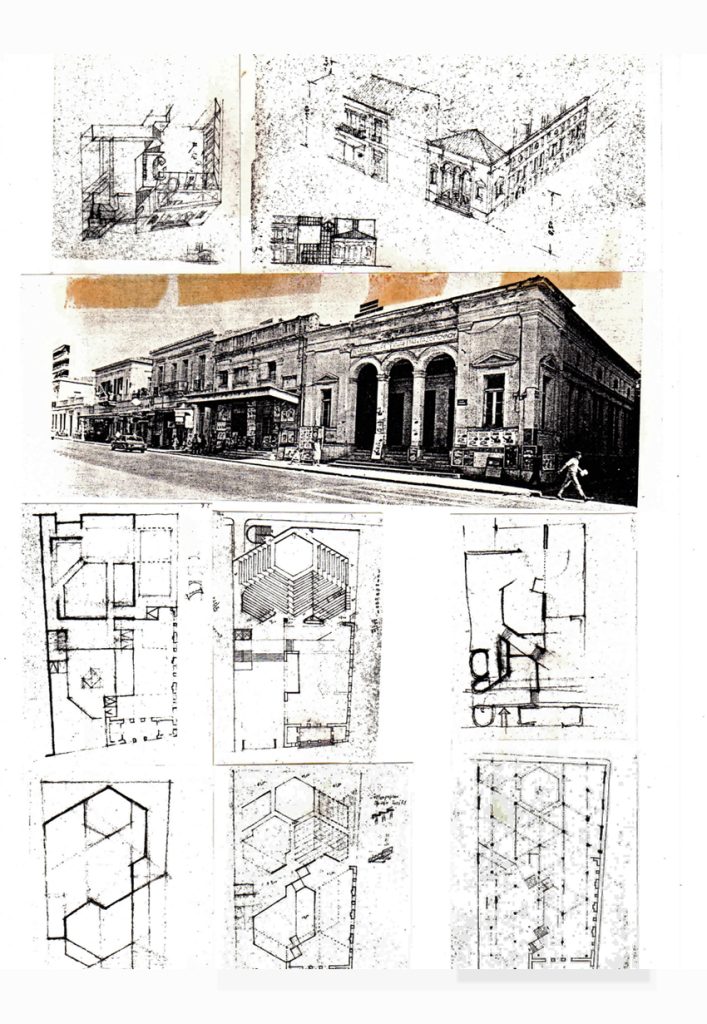
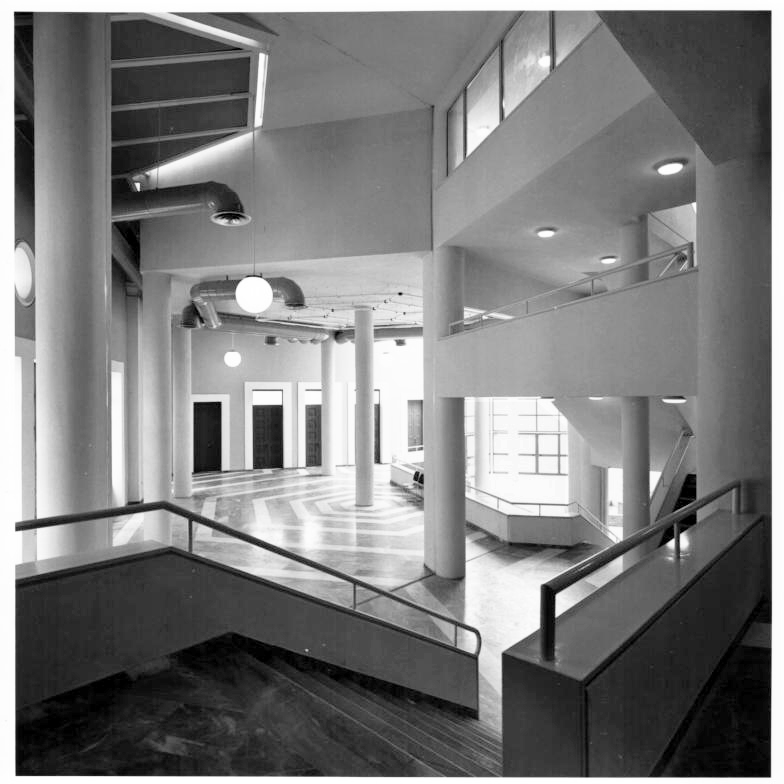
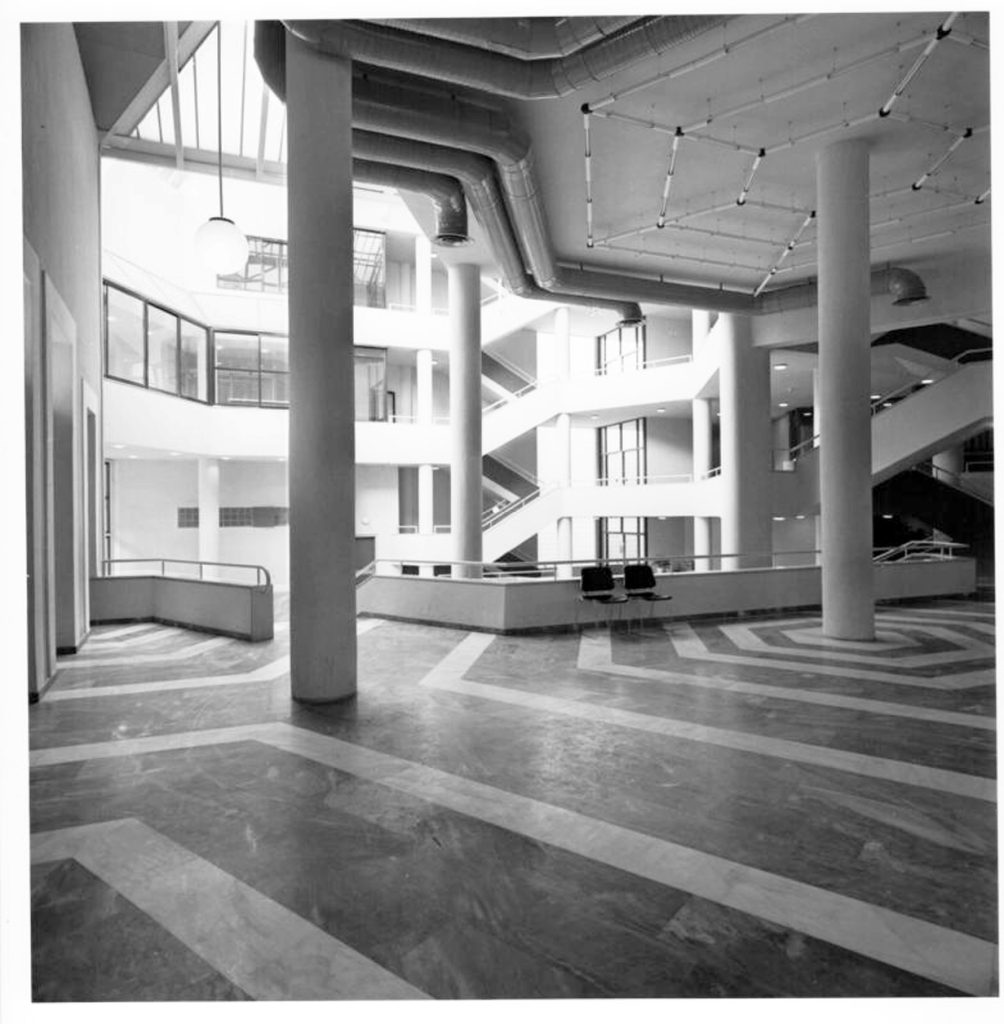
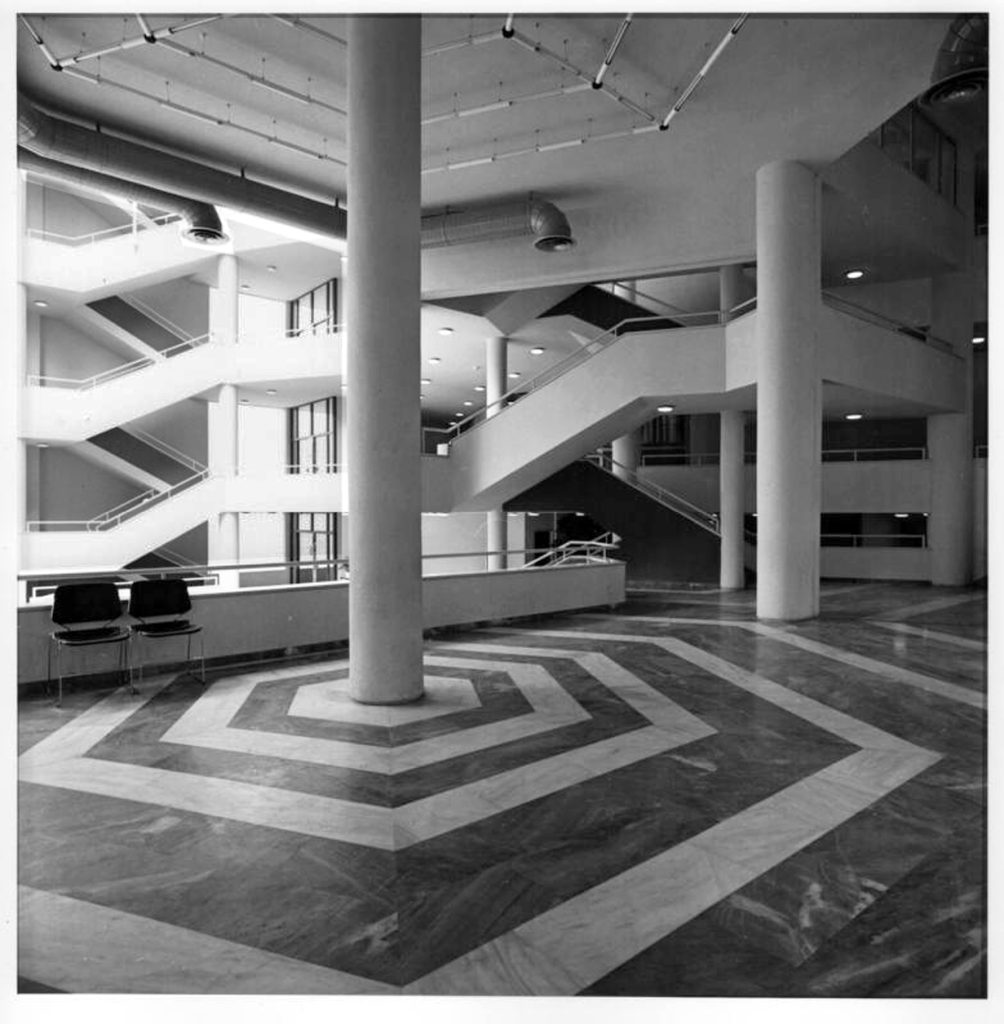
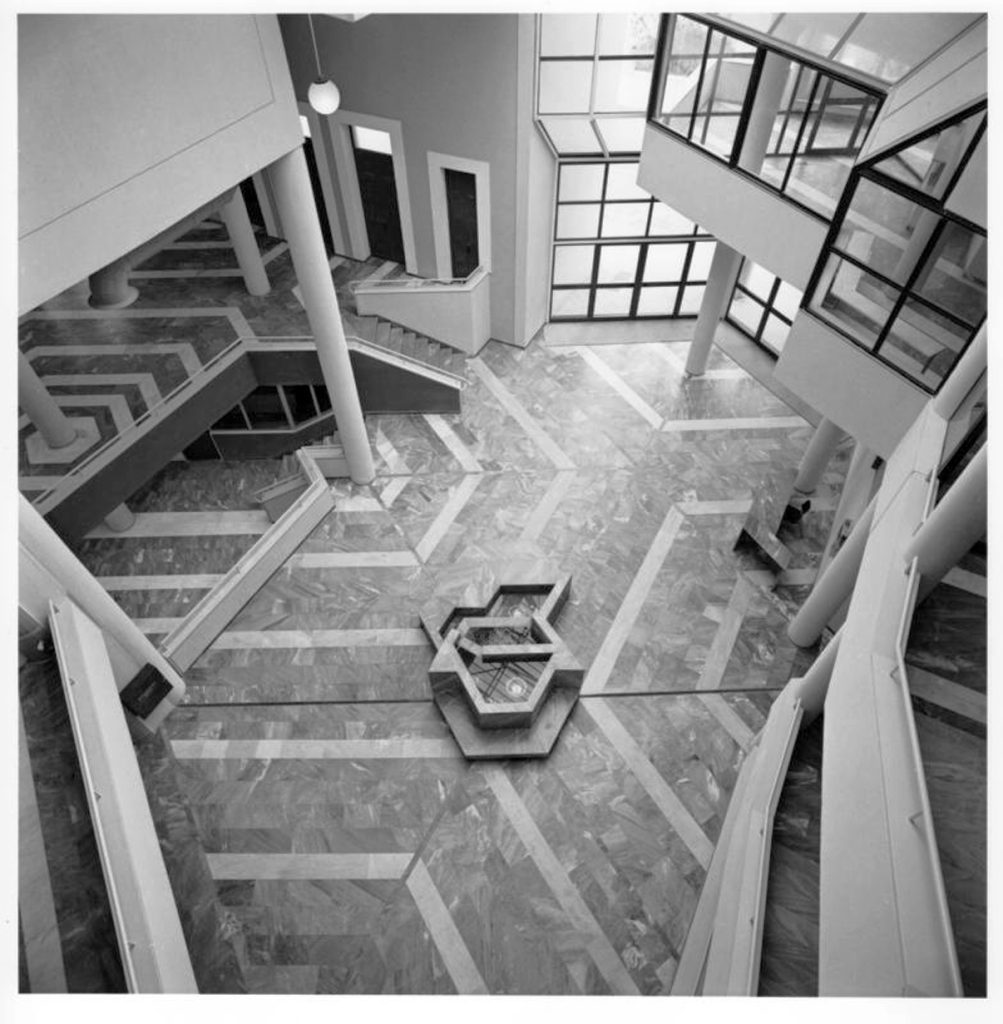
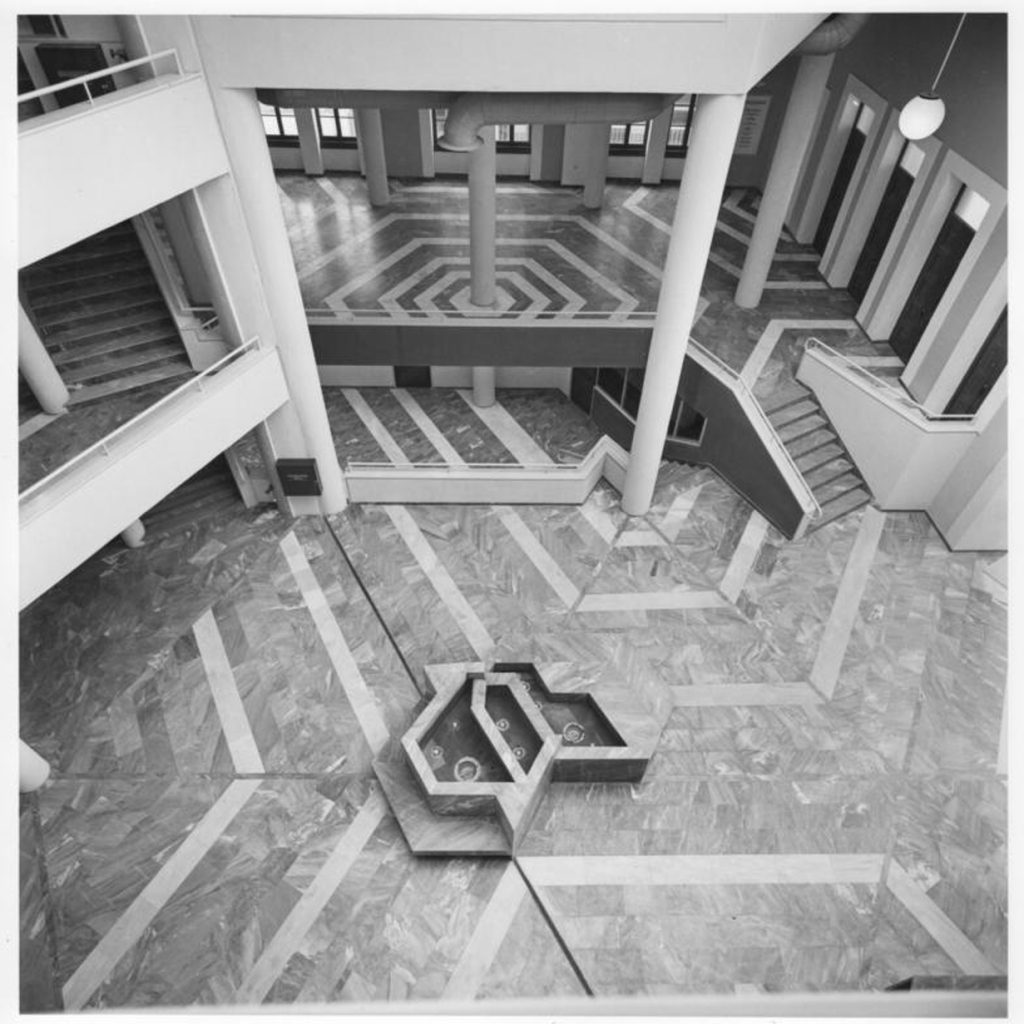
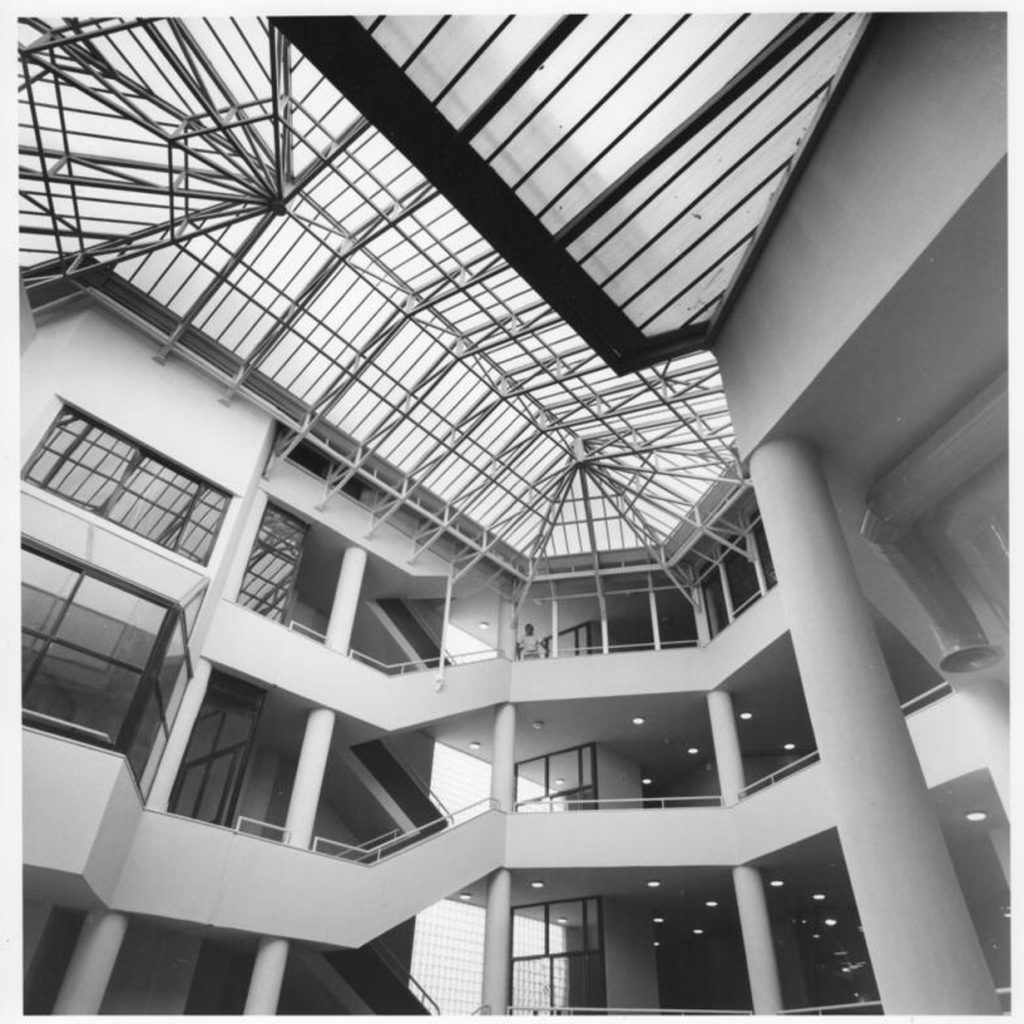
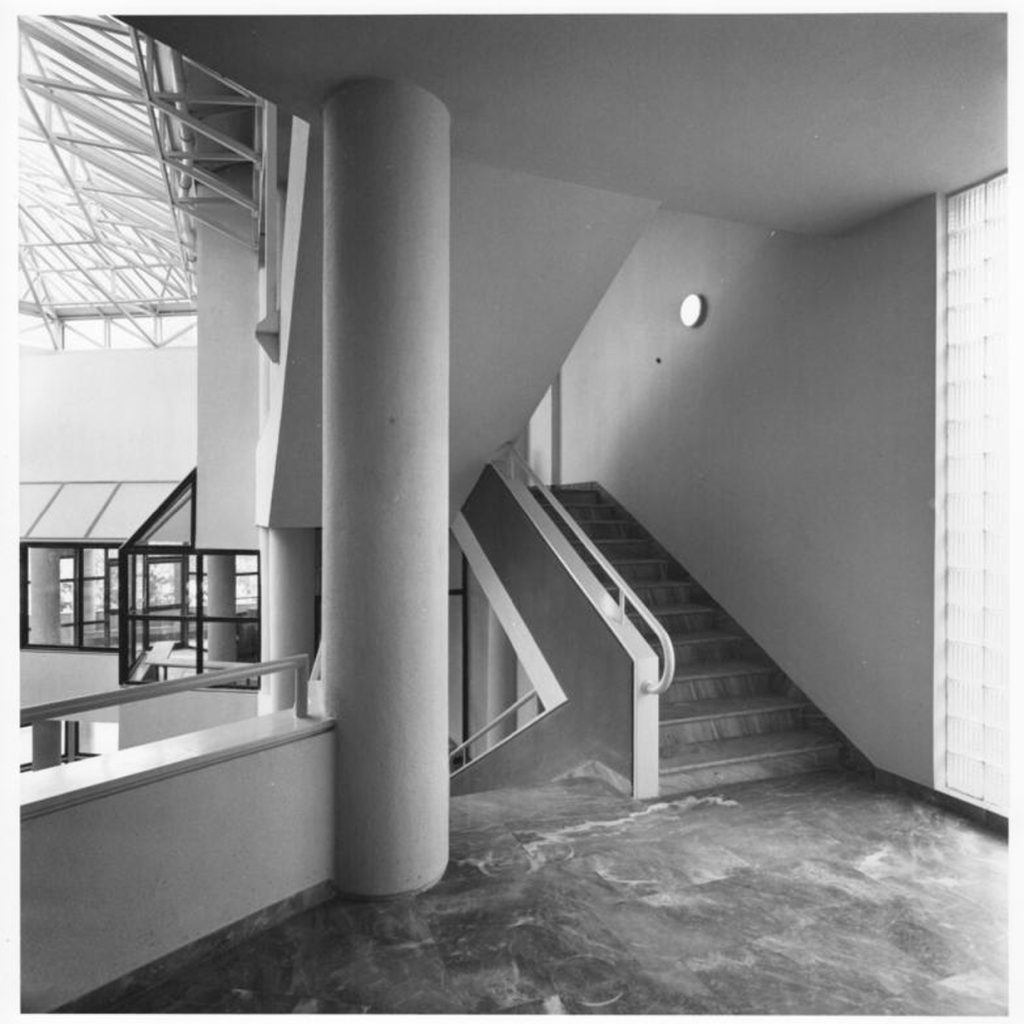
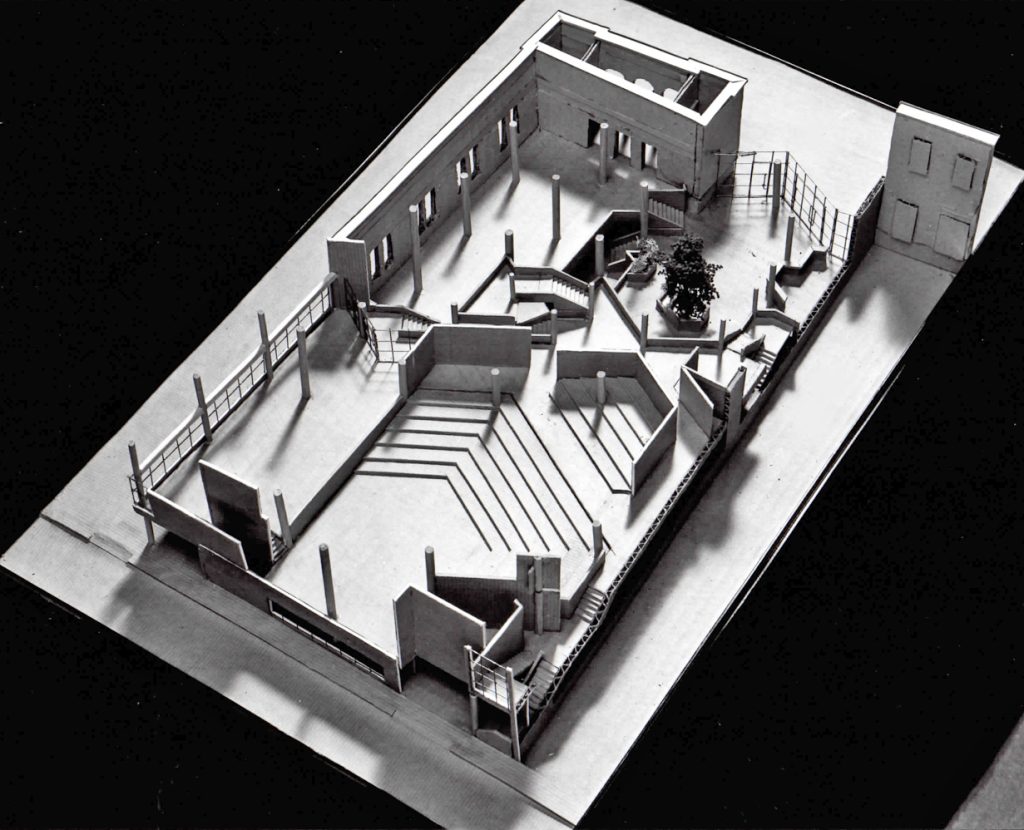
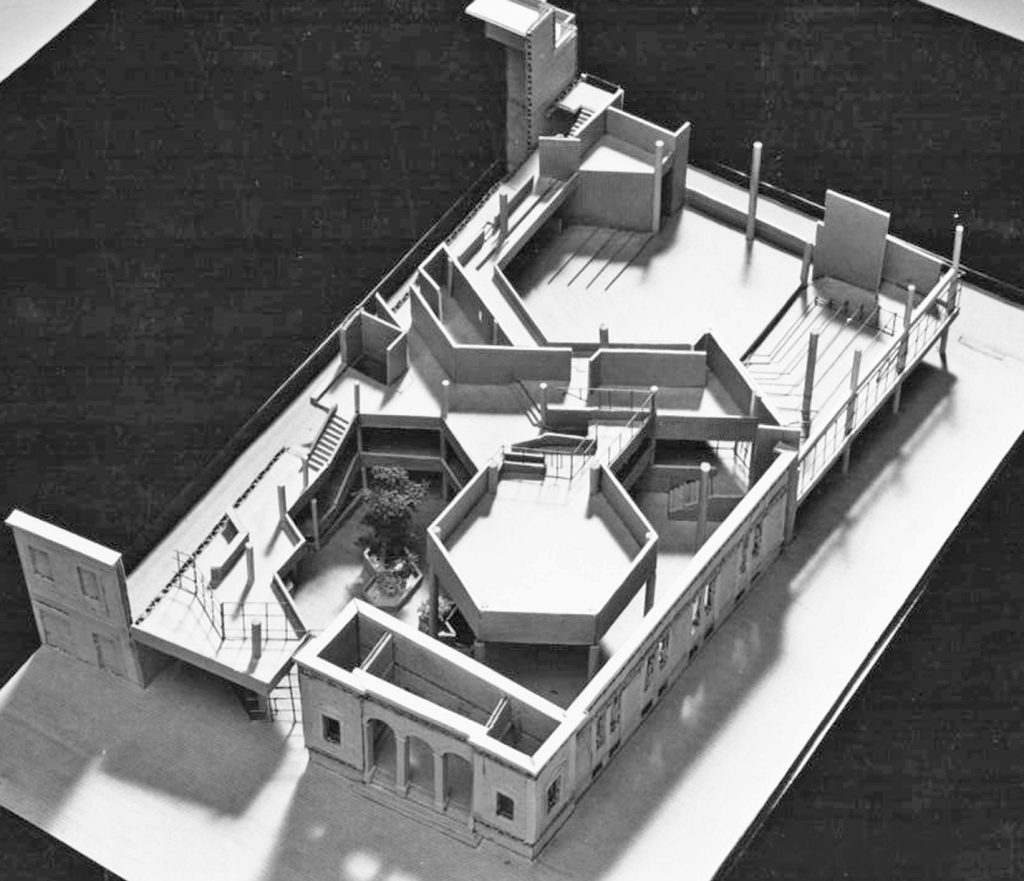
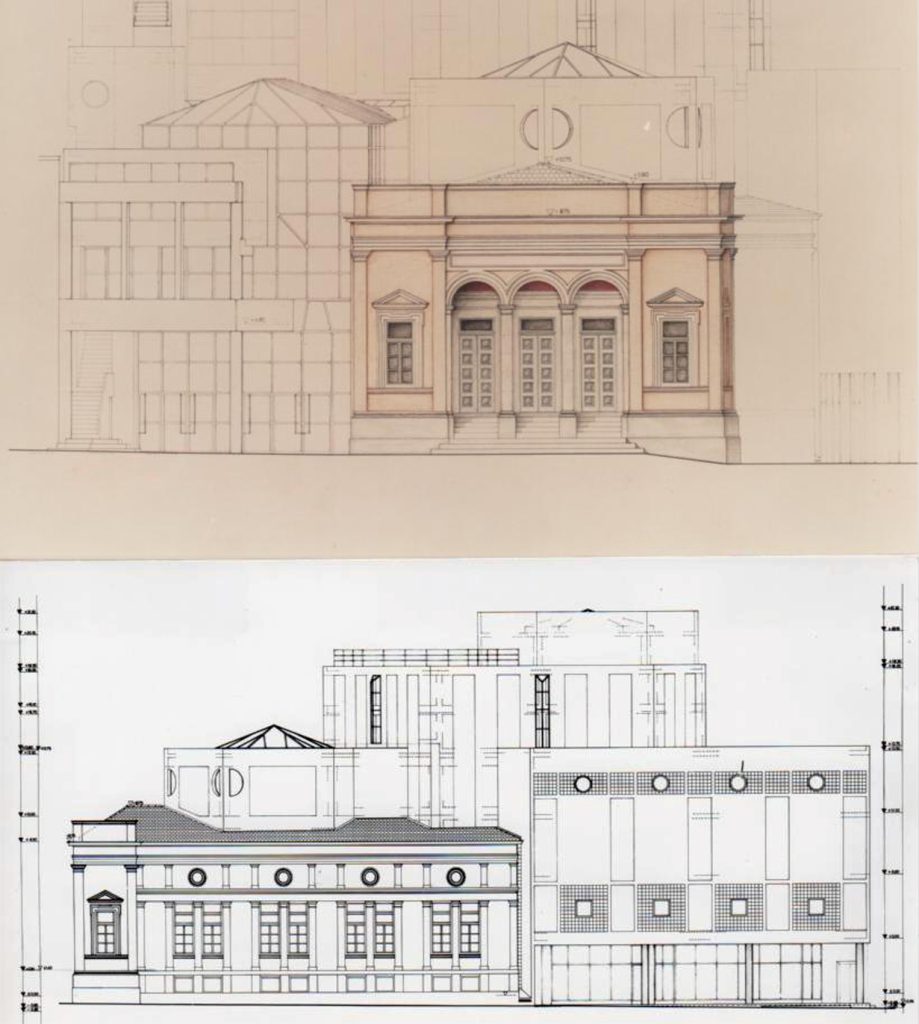
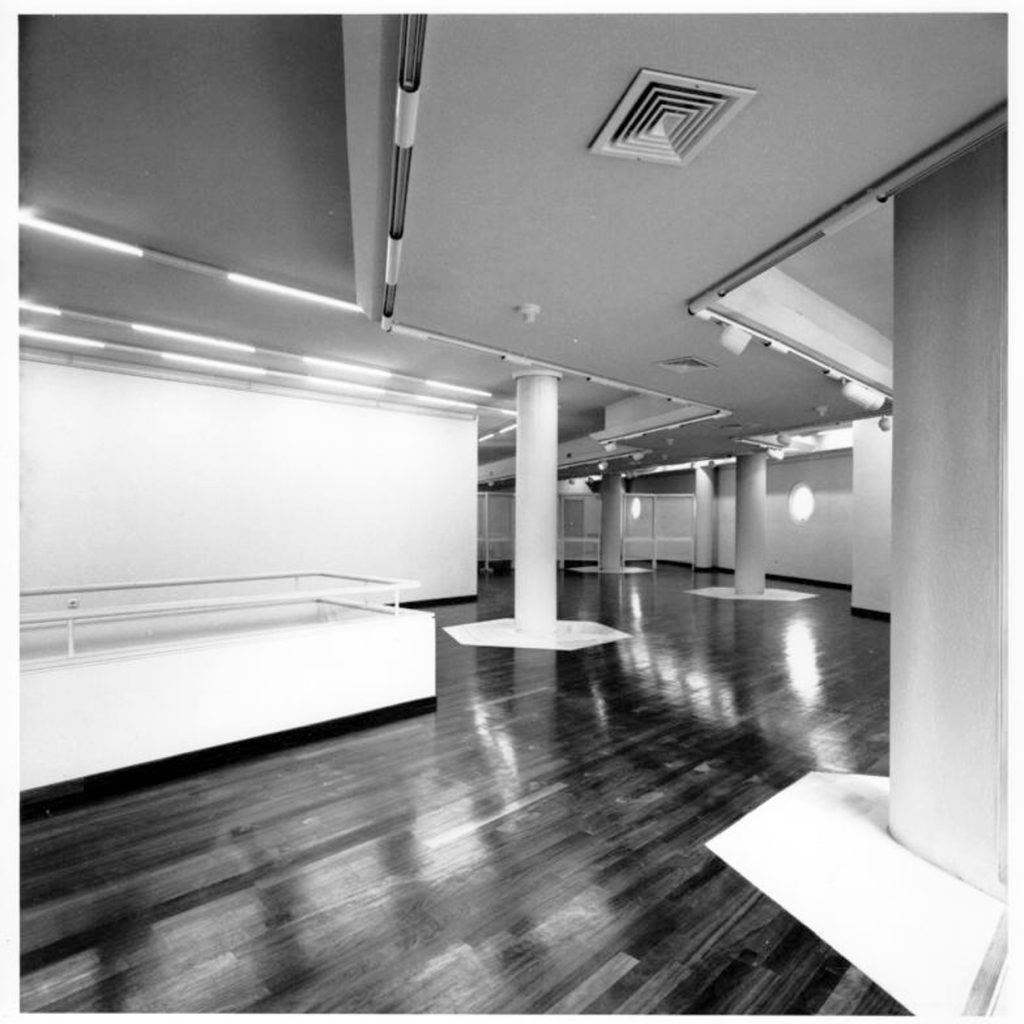
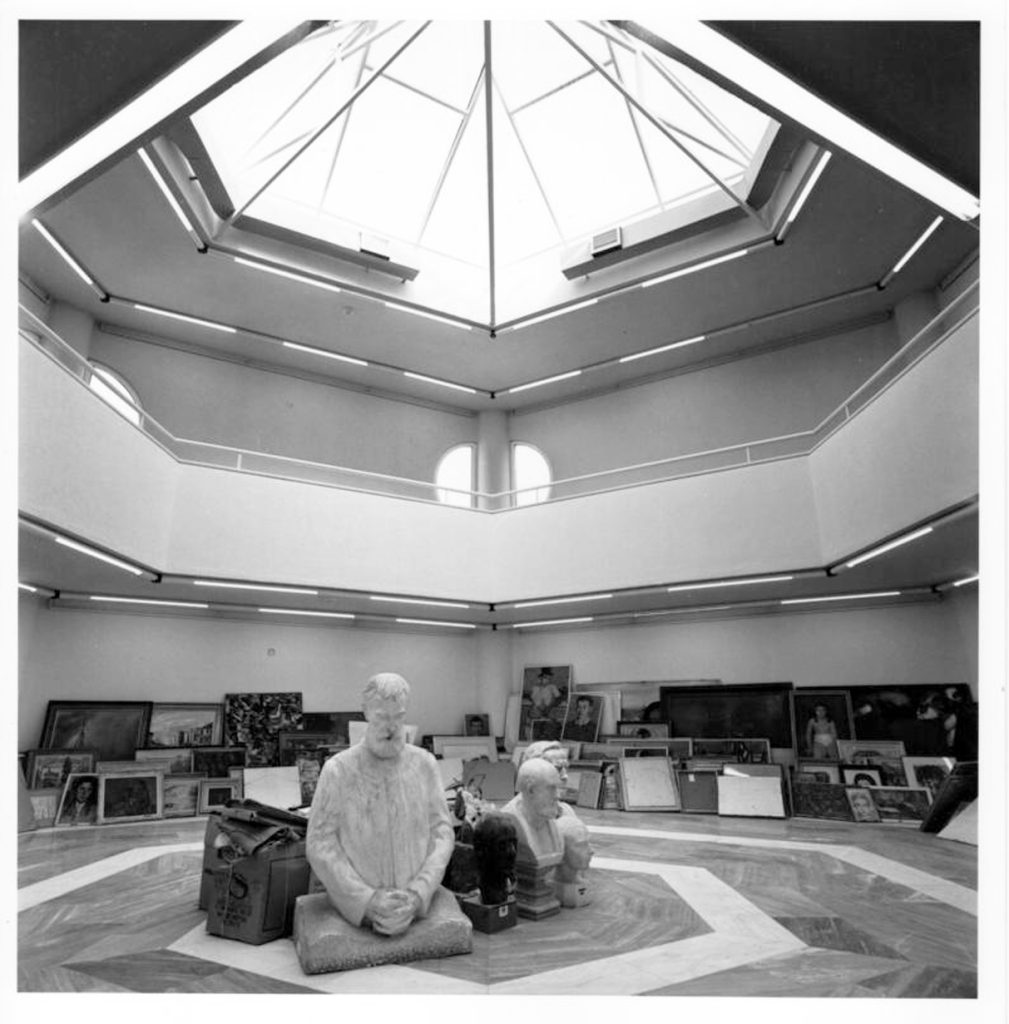
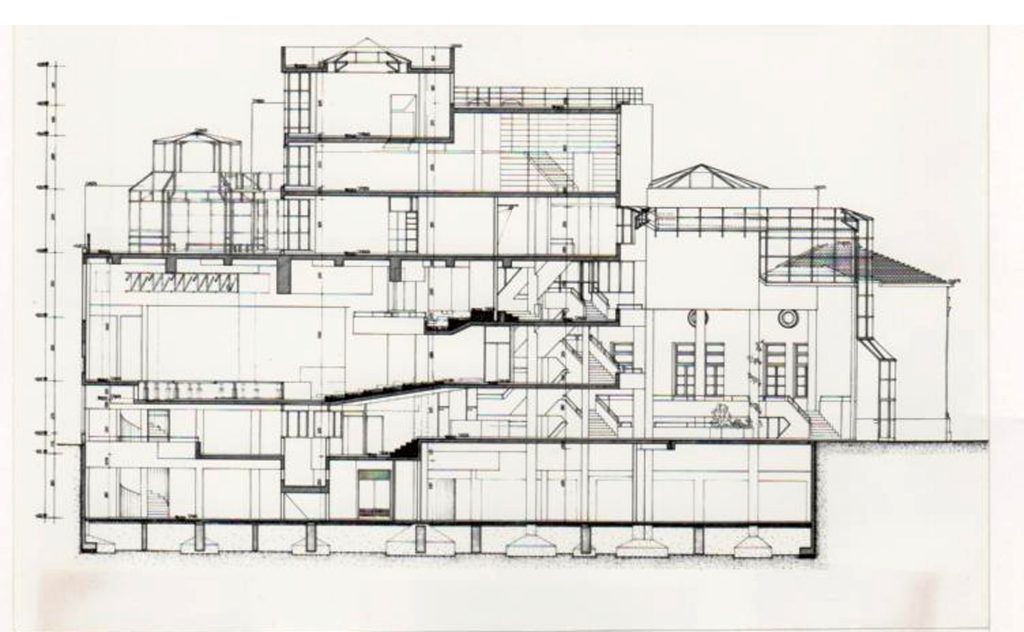
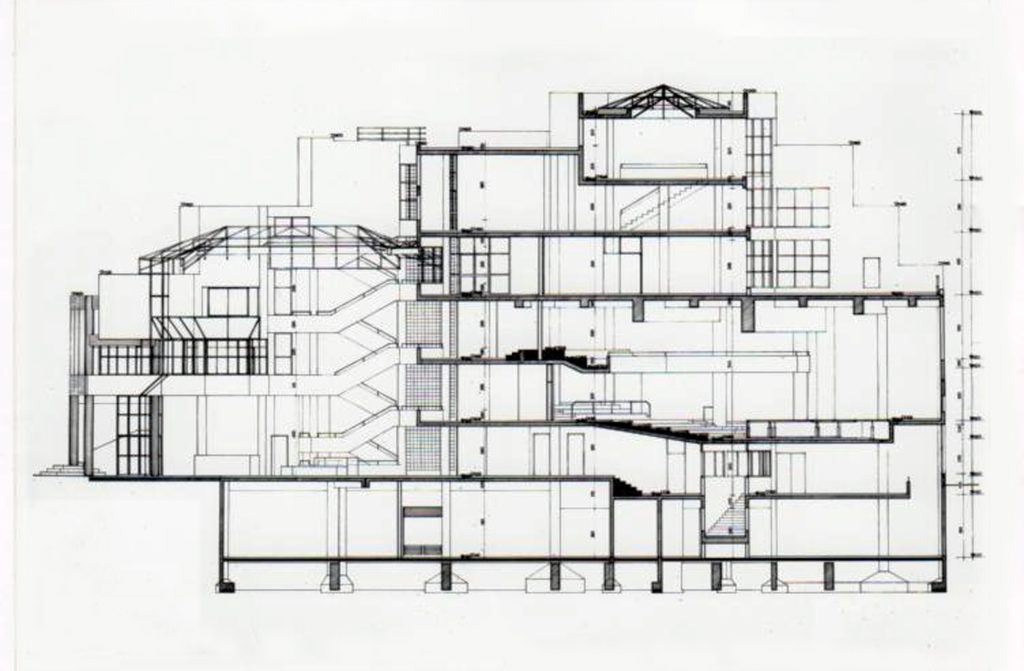
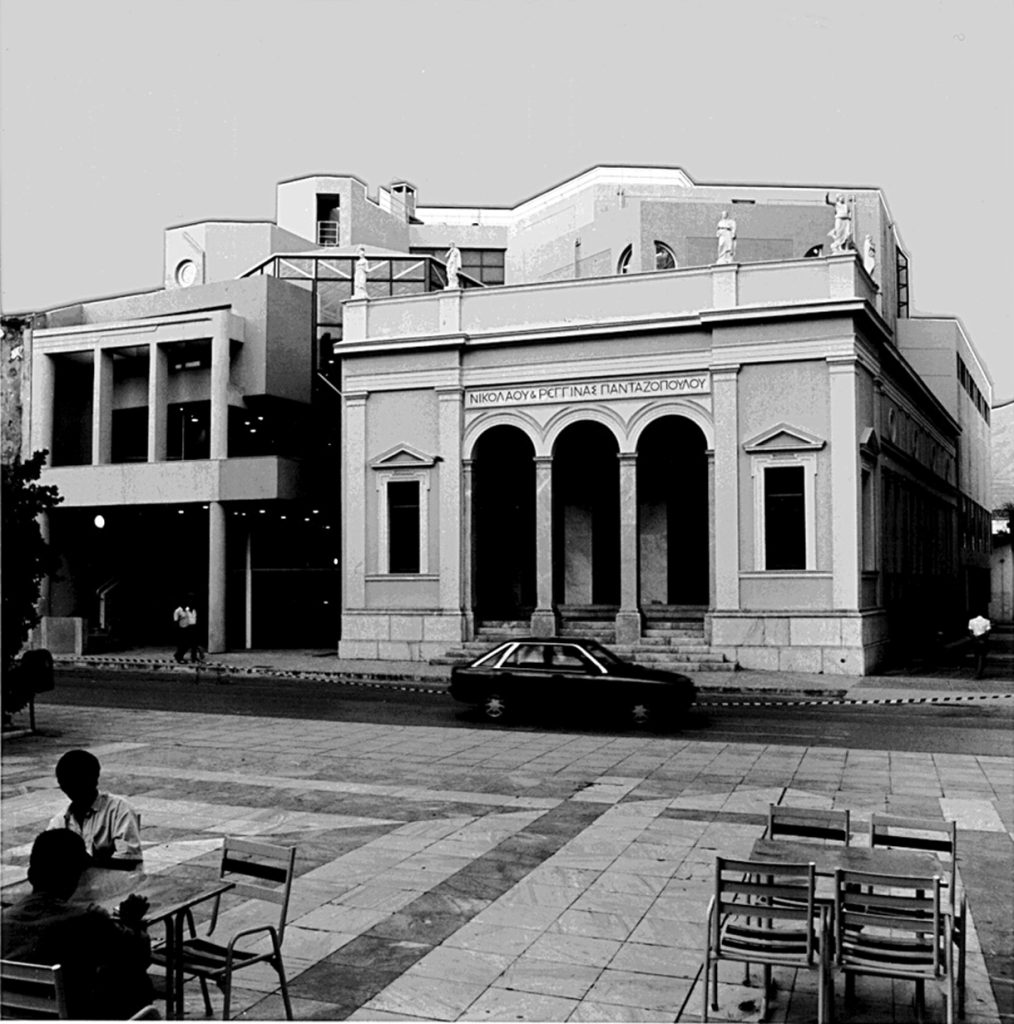
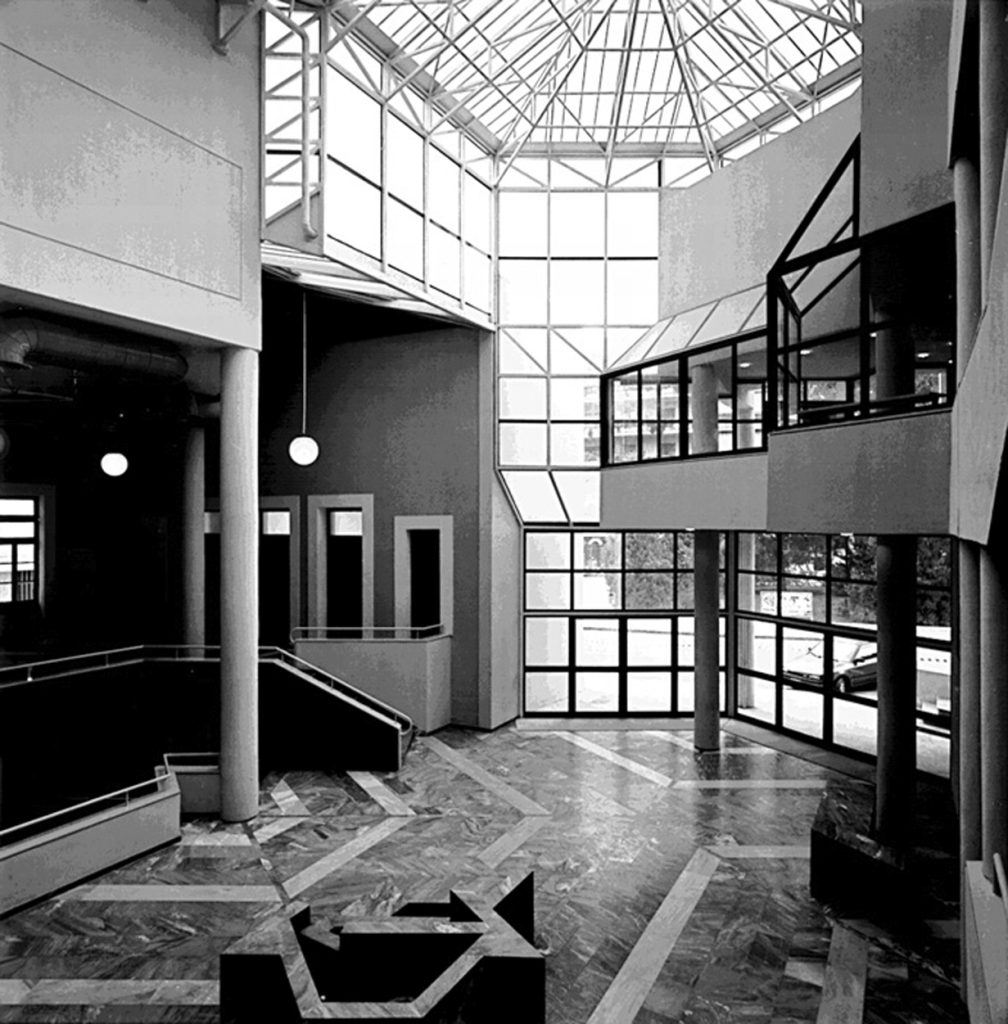
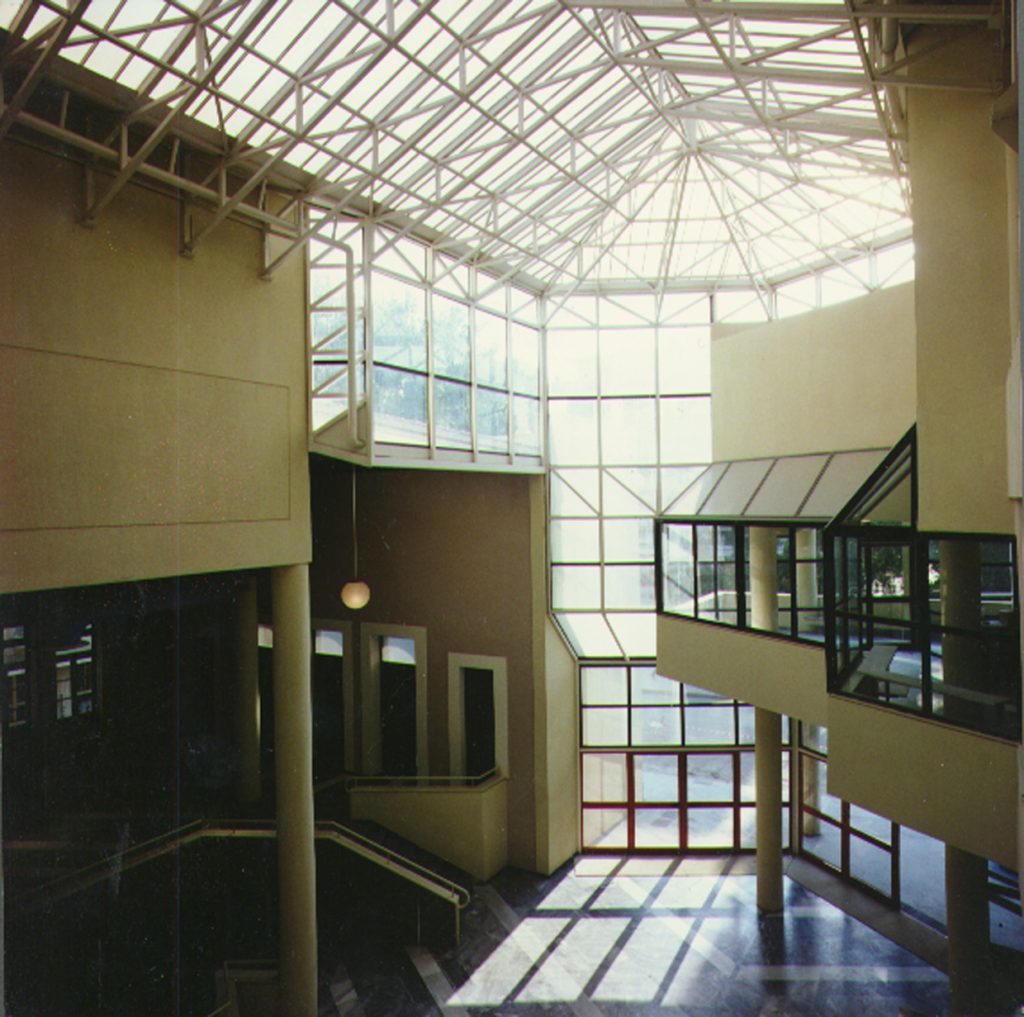
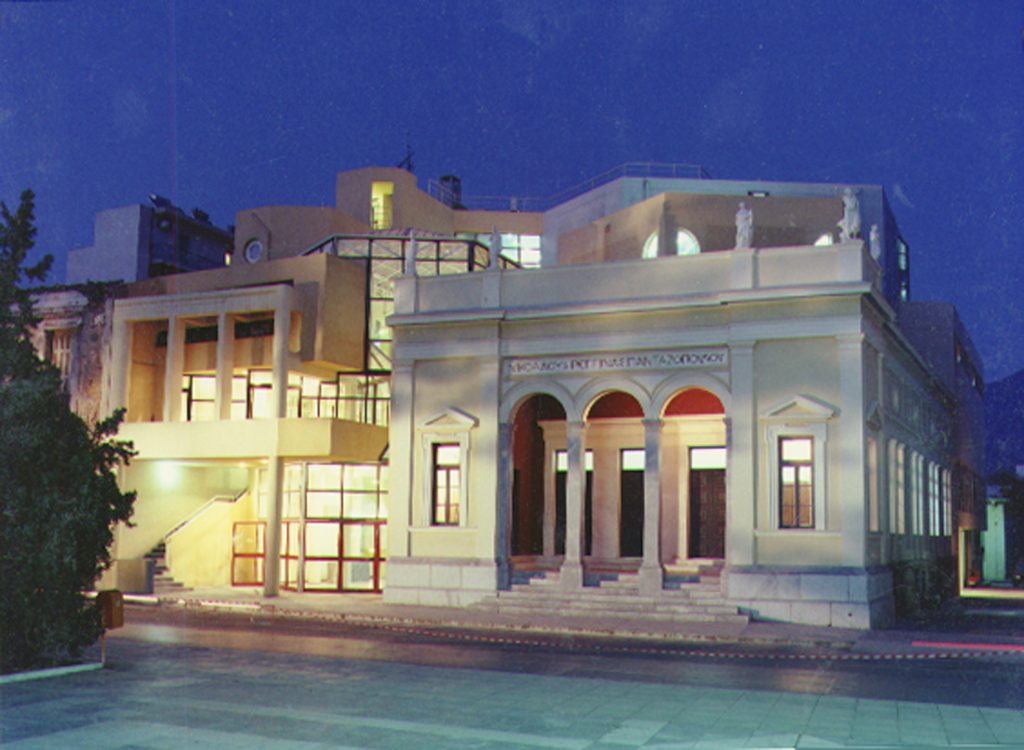
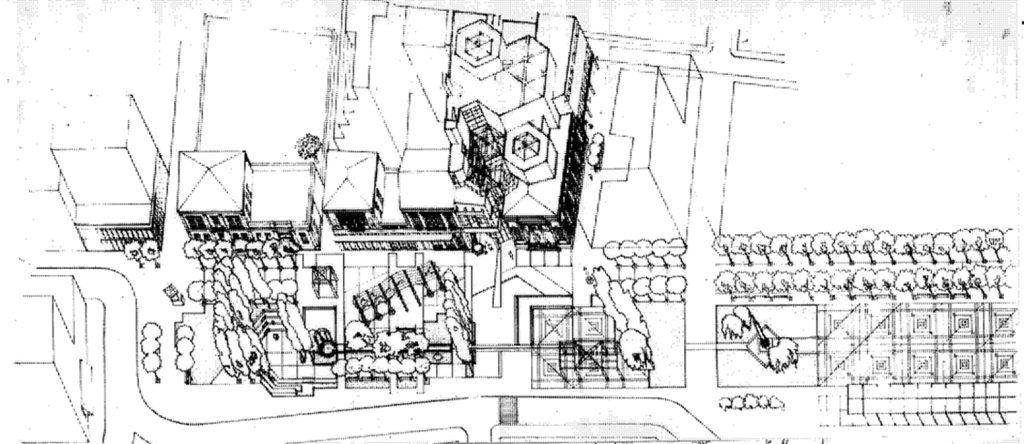
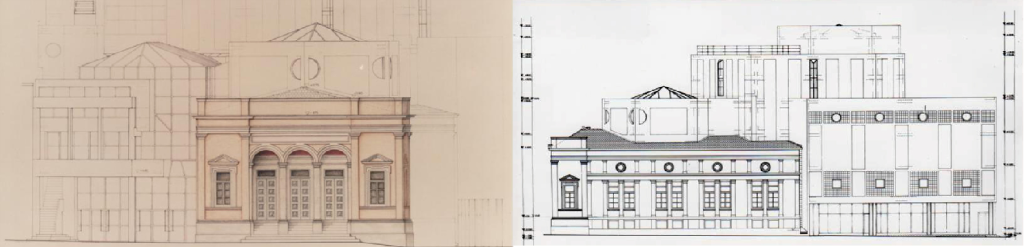
The new building of the Kalamata Cultural Centre, whose foundation stone was laid in 1984, was built on the plot of the Popular School and on the plot of the “Esperos” cinema, which had been expropriated much earlier. The new building, designed by the architects Ioannis Liakatas and Anastasia Pechlivanidou-Liakata, combines late neoclassicism with modernism. The west façade and the south side of the old building were preserved and complemented by a modern structure with an emphasis on geometry and glass surfaces. The building was inaugurated on 22 December 1990.
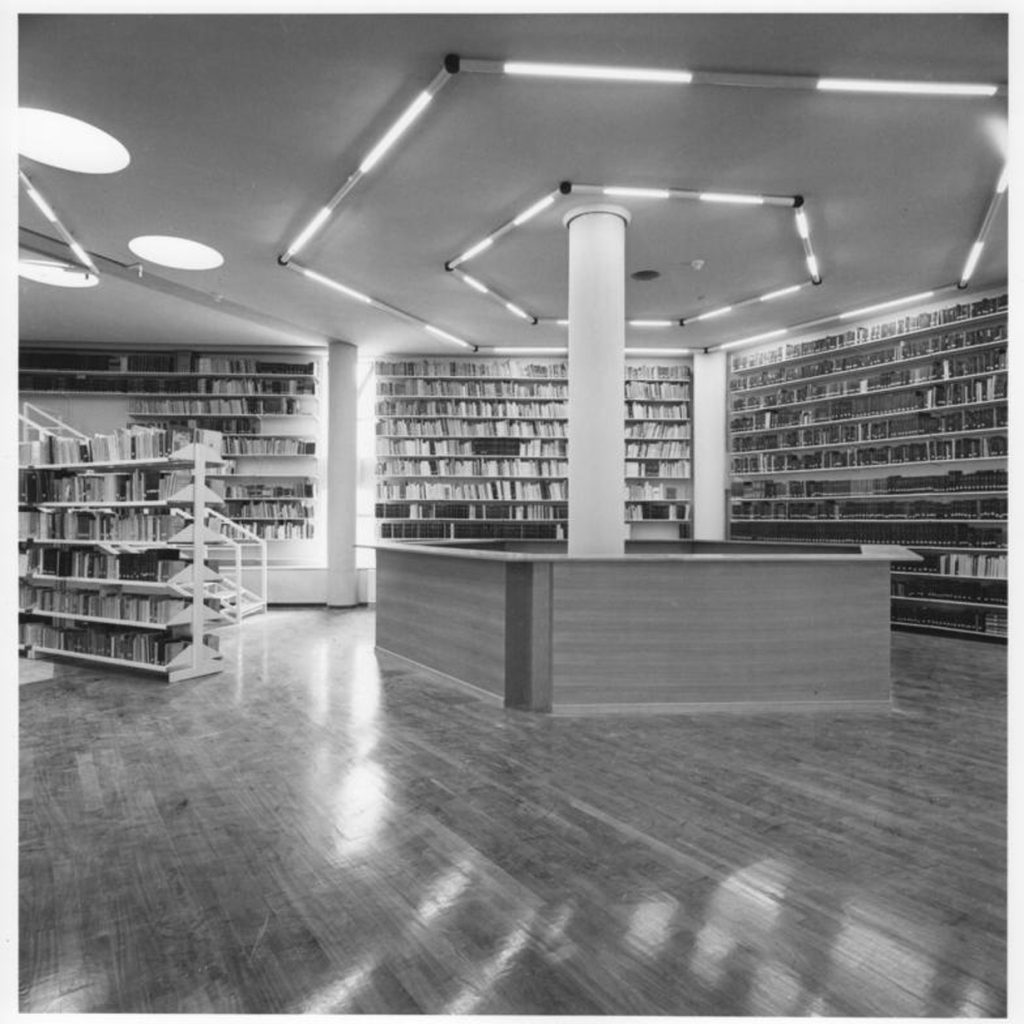
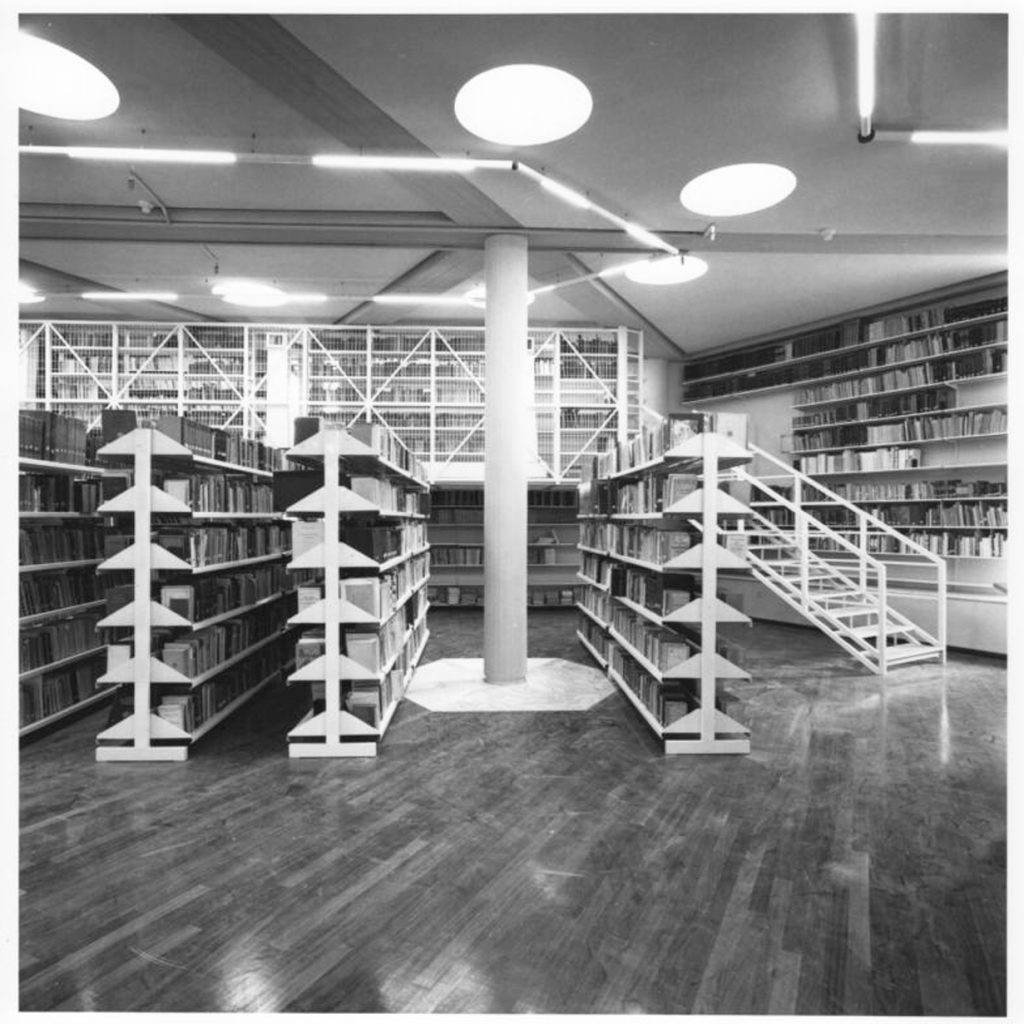
Today the premises of the Kalamata Cultural Centre house the city’s two libraries, the Popular Library and the Central Public Library, as well as the Gallery of Modern Greek Art, the Union of Messinian Writers, the Society of Friends of Ancient Thouria and the Community of Kalamata.
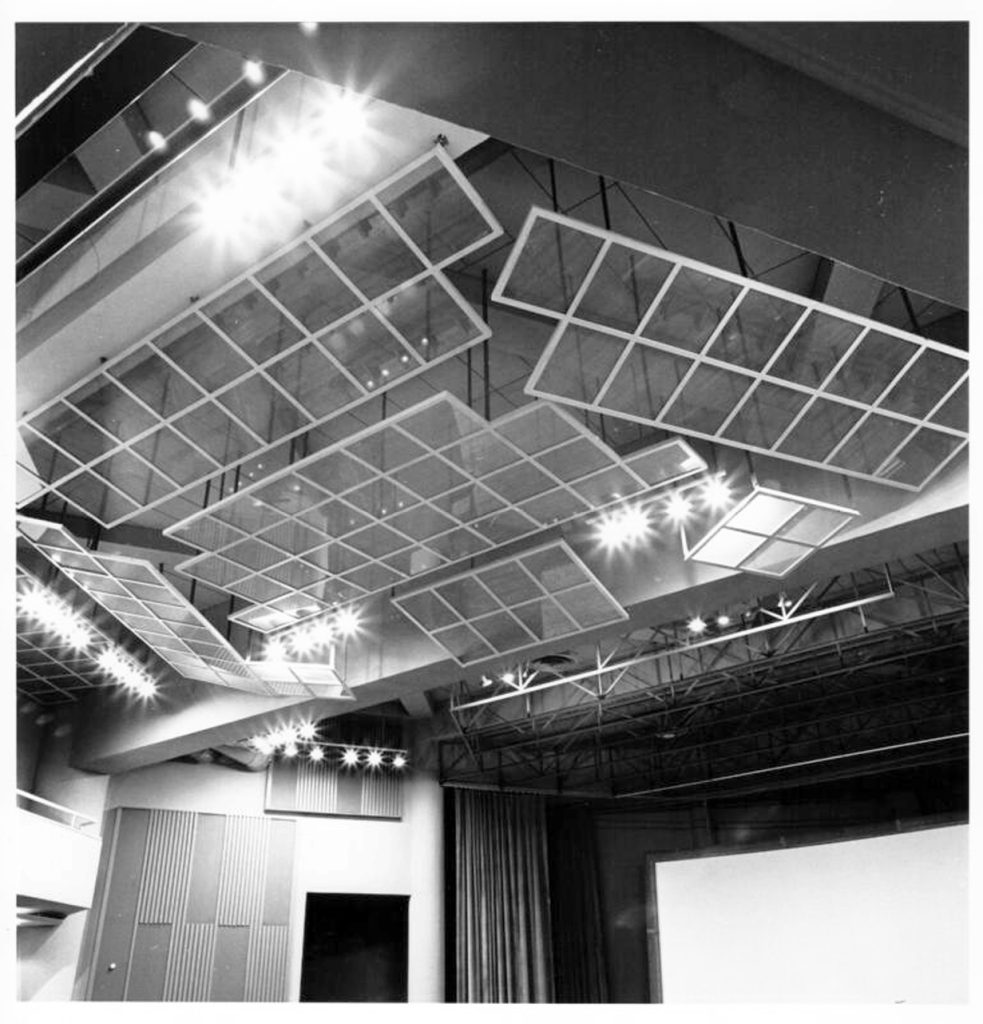
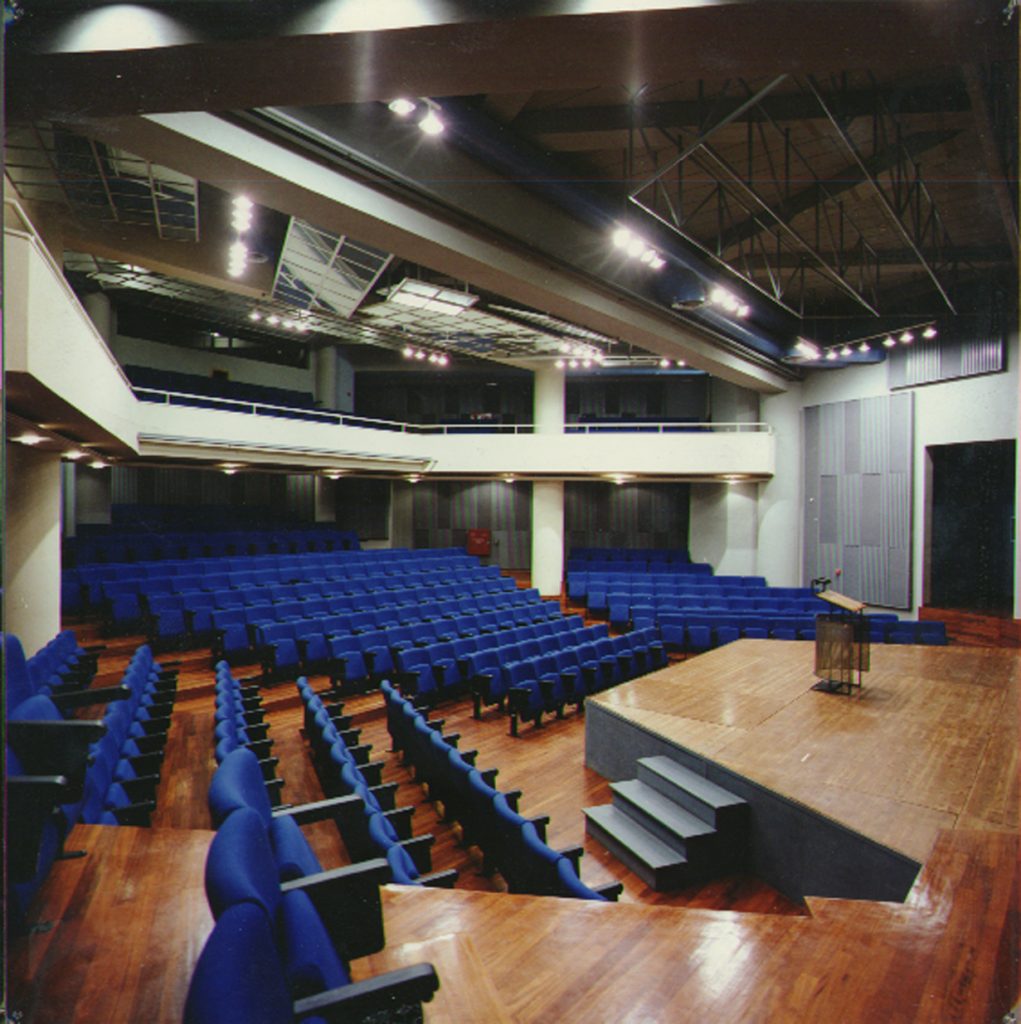
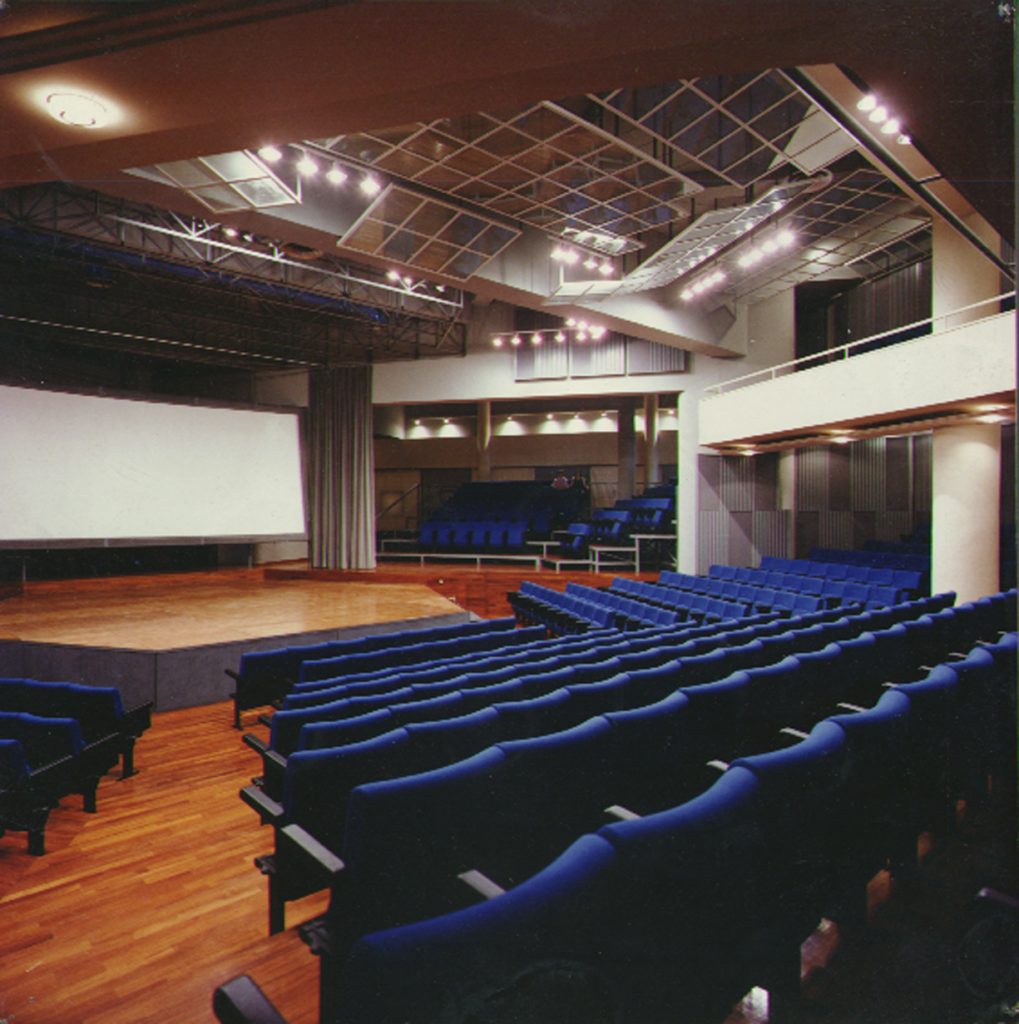
The amphitheatre hall (capacity 400 people) is available for hire for talks, conferences, concerts, theatre performances and other events. The spaces on the lowest floor are also available for hire for exhibitions.
SPACES
- 1st floor:
- exhibition space (on two levels)
- Union of Messinian Writers
- 2nd floor:
- theatre
- 3rd floor:
- theatre balcony
- Community of Kalamata
- 4th floor:
- Central Public Library
- Gallery of Modern Greek Art
- Society of Friends of Ancient Thouria
- 5th floor:
- Kalamata Popular Library
BOARD OF DIRECTORS
- PRESIDENT: His Eminence the Metropolitan of Messinia, Chrysostomos
- VICE-PRESIDENT: The Mayor of Kalamata, Mr Vasilopoulos Athanasios
- MEMBERS:
- The President of the Kalamata Bar Association, Mr Margelis Konstantinos
- The President of the Medical Association of Messinia, Mr Tzortzinis Dimitrios
- The President of the “Society for the Promotion of Letters”, Ms Geranea-Papoulia Maria
- The President of the Popular Library, Mr Fournarakis Panagiotis
- The Representative of the Municipality of Kalamata, Mr Karamouzis Nikitas.
Information
33 Aristomenous Street, KALAMATA 24 133
Tel: 27210 87902
Email: pnekekal@yahoo.gr
The models and archive material below have been kindly provided by the design office I. Liakatas – Pechlivanidou: