

Agricultural Zone
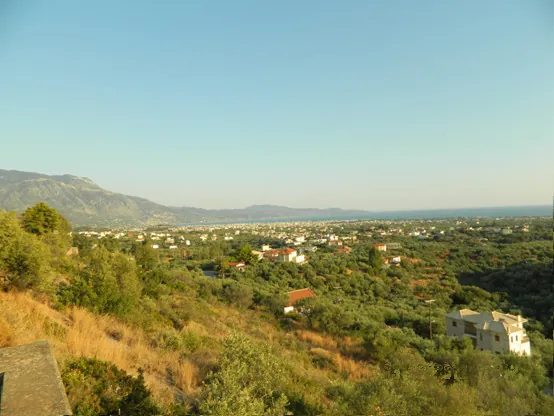 The Municipality of Kalamata has extensive olive groves, which cover most of the arable land of the Municipality and of the Prefecture of Messinia in general. Apart from its contribution to the economy and employment, the “olive grove” ecosystem is an important element of nature, whose importance and need for protection have recently come to the fore. It harbours rich fauna and flora and, since it grows in harsh, dry environments, besides the flora and fauna it supports, it also retains valuable natural resources such as soil and water. The olive tree remains alive and productive for centuries without any particular human care. Such centuries-old olive trees have been preserved in various areas. The olive tree at ETHIAGE (National Agricultural Research Foundation – Institute of Olive Tree and Horticulture of Kalamata) has been declared a protected natural monument by Decision No. 200995/7950 of the Deputy Minister of Agriculture (Government Gazette (FEK) 121D/21-2-1980), as a centuries-old tree representative of the “Kalamata Olive” variety.
Mount Taygetus Massif
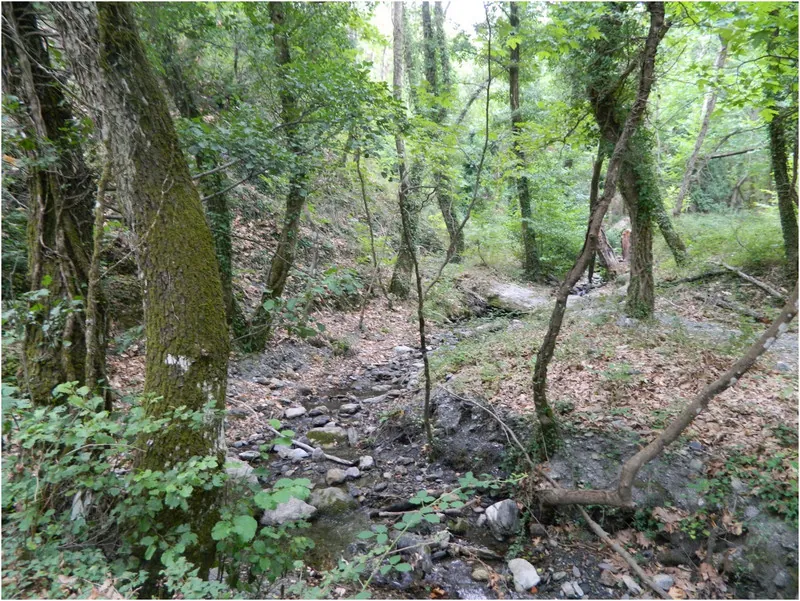 Dominating this entire natural landscape is the mountain mass of Mount Taygetus, a mountain range with a long ridge 115 km in length and up to 30 km wide, with a total area of 2,500 sq. km, which forms a rare ecosystem for both its flora and its fauna.
Taygetus Forest
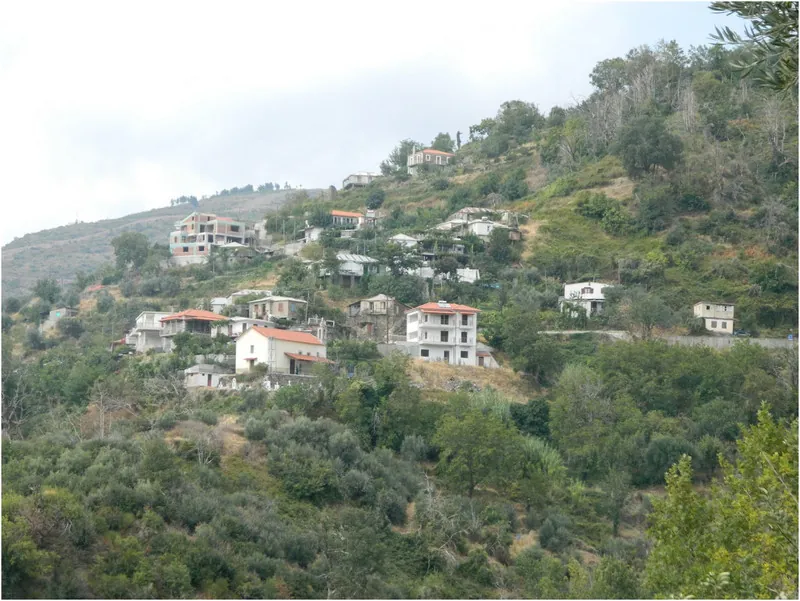
The mountain mass of Taygetus is covered throughout by dense forest, dominated by fir and pine trees. The Taygetus forest is the largest green lung both for the city of Kalamata and for the wider area, as it begins at the edge of the city. Together with the mountain villages of Taygetus, it forms an ecosystem of exceptional natural beauty that needs protection.
Flora – Fauna of Taygetus
More than 700 plant species make up the rare flora of Taygetus, of which 120 are Greek endemic plants, while 32 are found exclusively on Taygetus. In Georgios Sfikas’s book “Botanical Paradises of Greece”, Taygetus is selected, because of the rarity of its flora, as one of the 17 “Botanical Paradises”.
It is also a refuge for a significant number of wild animals and birds. 85 species of birds, 19 of mammals and 33 of reptiles have been observed, and it is one of the two important areas in the Peloponnese for butterflies and insects.
The mountain formations of Taygetus make up its wild beauty and are a challenge for walkers and climbers. The Nedontas Gorge and Mount Taygetus areas have been included in the international Natura 2000 network as protected areas.
Protected Natura areas
Within the boundaries of the Municipality of Kalamata there are 3 protected areas in total:
|
Name |
Code |
Area (ha) |
|
Nedontas Gorge |
GR2550001 |
1,241.86 |
|
Mount Taygetus |
GR2550006 |
53,367.45 |
|
Pamisos Springs and Estuary |
GR2550002 |
Coastal Zone
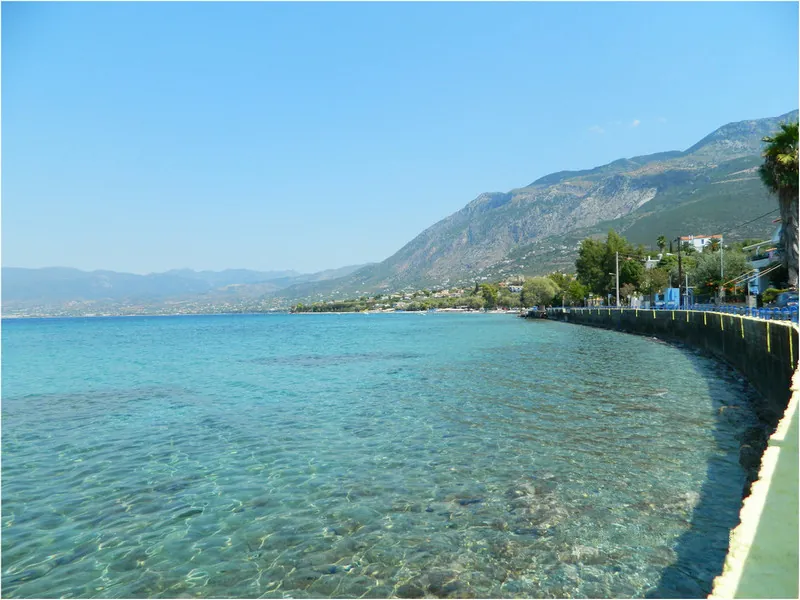 Of particular importance for the natural landscape is the long coastline, which reaches 10.3 km, as well as the extensive beach, characterised by clean waters and organised beaches that attract many visitors. The waters and shores of the Messinian Gulf have received awards and hold the Blue Flag award in the areas of Anastasi, Filoxenia & Mikri Mantineia.
The table below describes the shores of the Municipality of Kalamata.
Shores of the Municipality of Kalamata
| Name | Metres |
| East Kalamata – Verga | 2,600 |
| Agrilia (Verga – Almyros) | 660 |
| Mikri Mantineia | 785 |
| West Kalamata | 260 |
| Analipsi – Aeroporia | 6,000 |
Water Resources
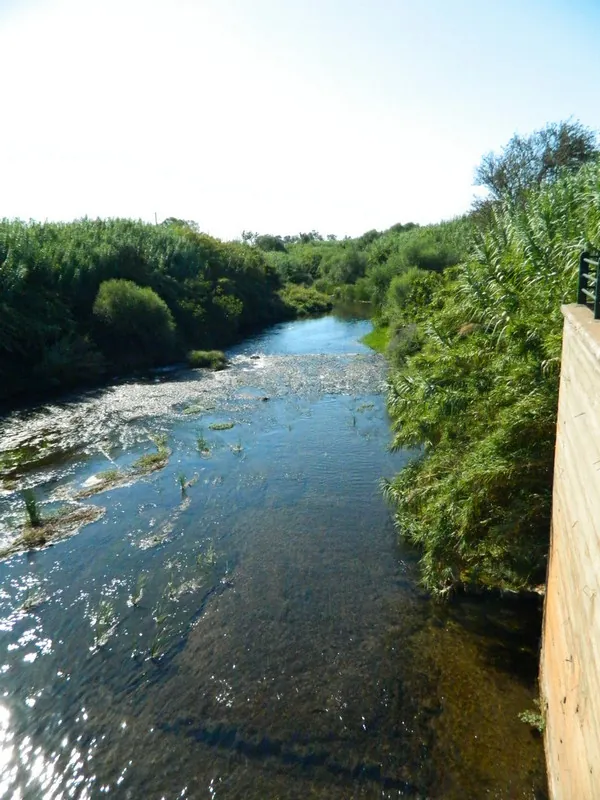 Three rivers flow through the Municipality of Kalamata: the Nedon, the Pamisos and the Aris.
Nedon River
Of particular importance for the city of Kalamata is the Nedontas River, as a natural water feature within the urban environment. Its distinctive feature is the deep, narrow gorge, nine (9) km long, located between the area of “Lagou Chani” and the military firing range, just north of Kalamata. Its linear course and its riverside zones, if protected, can become a distinctive natural landmark of the city. The General Urban Plan (GPS) of Kalamata already designates the Nedontas River as an environmental park, with strict restrictions on the permitted uses of the riverside area.
Pamisos River
The Pamisos River rises at the springs of Agios Floros. This is a large karst spring, the total length of whose front exceeds 400 metres, at an altitude of 40 m. The springs steadily provide huge quantities of clean water, ranging from 6,000 to 20,000 cubic metres per hour. The area is characterised by an aesthetically valuable riverbank zone with large plane trees and other kinds of riverbank vegetation, important elements for the ecotourism development of the area. The area of the springs is characterised by aquatic plant communities, dominated by species such as: Nymphaea alba, Typha domingensis, Equisetum telmateia, Zantedeschia aethiopica and various species of Juncus, Carex etc. The area “Pamisos Springs and Estuary” has been included in the Natura 2000 network.
Pamisos River Dam
An important landmark of natural wealth is the area of the Pamisos River dam, next to the settlement of Aris. This dam has created an area with distinctive natural features, both lake and riverside. It is home to important species of wildlife, many of which are protected under Directive 79/409/EEC.
Flora – Fauna of the Pamisos Dam
9 species of freshwater fish have been recorded, 2 of them endemic to the southern Peloponnese, 125 species of birds and the rare mammal, the otter, which local people refer to by its ancient Greek name “Kynopotamos”. Endemic water-loving plants of the southern Peloponnese have also been recorded, as well as riverside forests of plane, field elm, willow and white poplar, and aquatic and water-loving flora, notably the yellow flag iris, water lilies, water milfoil and pondweed.
Aris River
The Aris River rises in the Pidima area with an average flow of 900 cubic metres per hour; it feeds the irrigation works of the Aris, Aithaia and Amfeia areas and flows into the sea at Diaspora.
Areas protected under EU directives
|
Name |
Directive |
|
Protected fauna species at the Pamisos dam in the settlement of Aris |
79/409 EEC |